Claudia Veloz – Norma de Lis


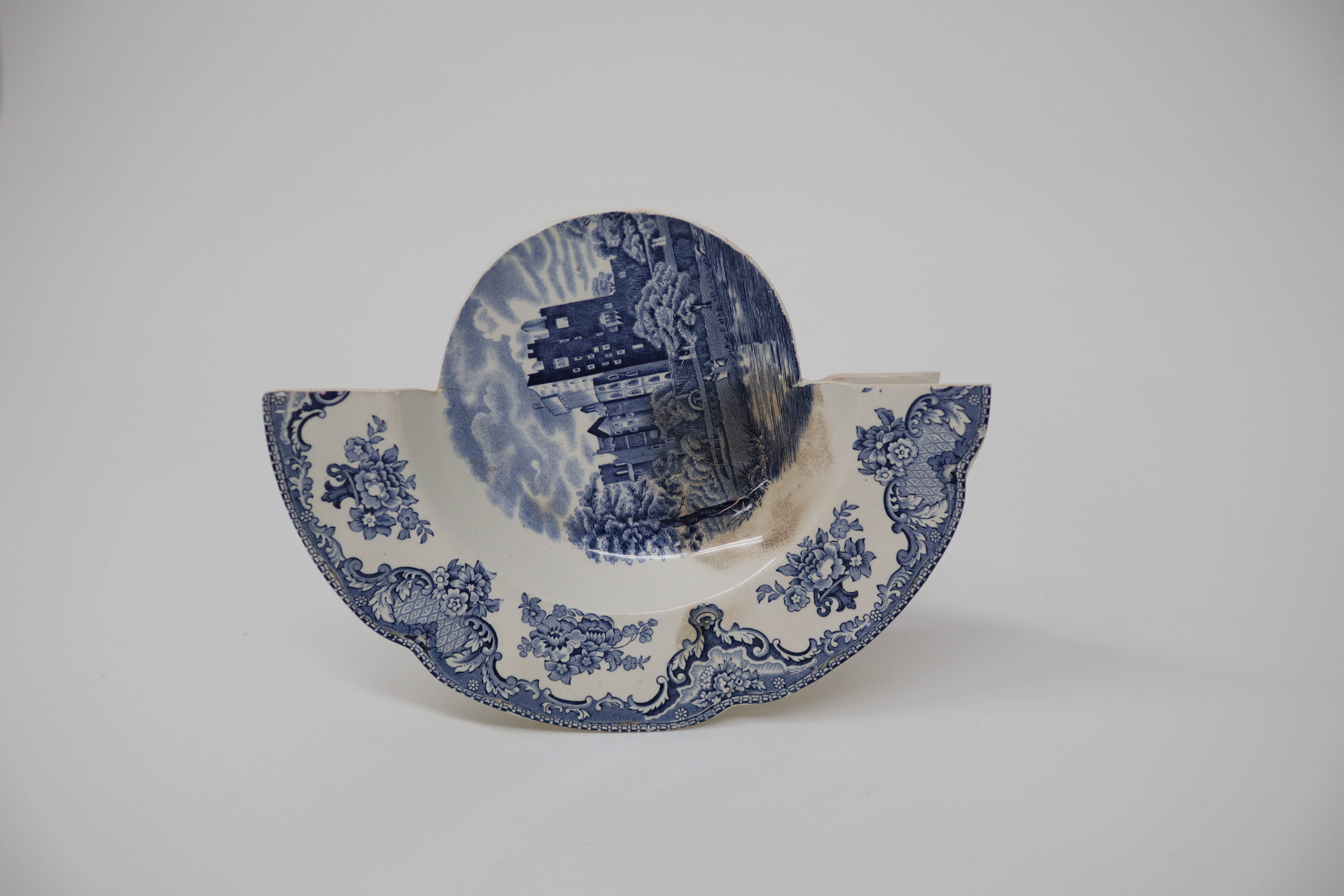
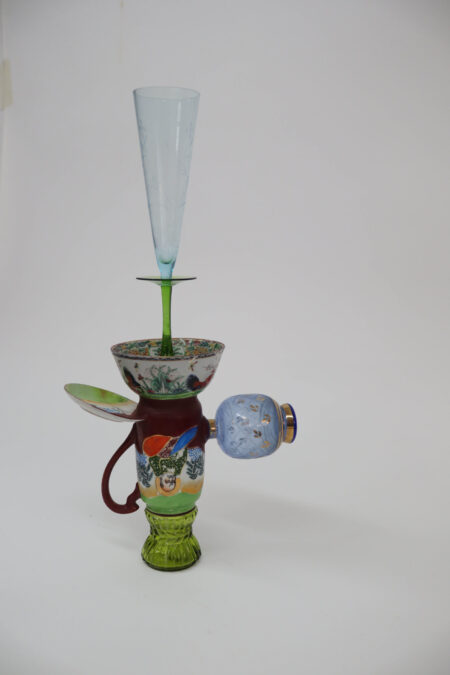
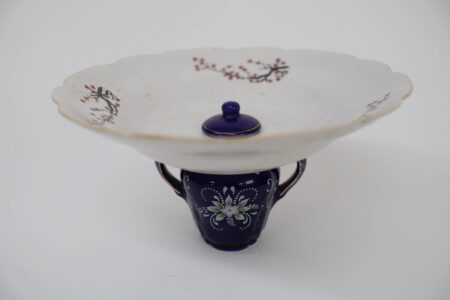
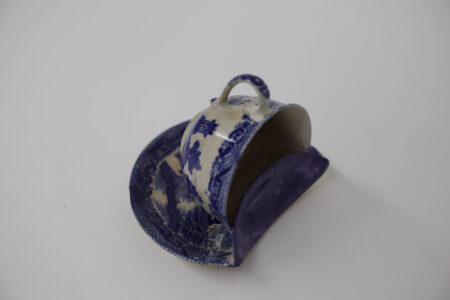
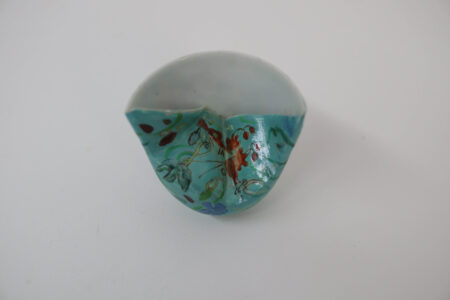
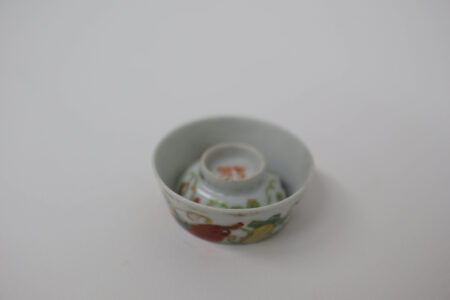
In Norma de Lis, I examine conservative structures embedded in the domestic sphere: norms, forms of communication and interaction, roles, archives, and recurring decorative elements. These dynamics reveal patterns of intrafamily relationships that shape our social behavior and configure ways of feeling, remembering, and relating to one another.
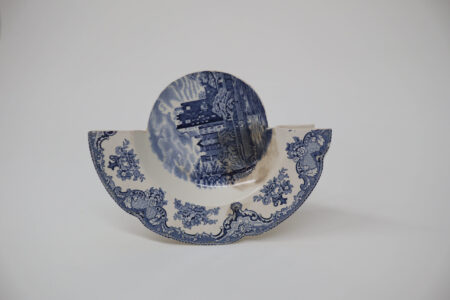
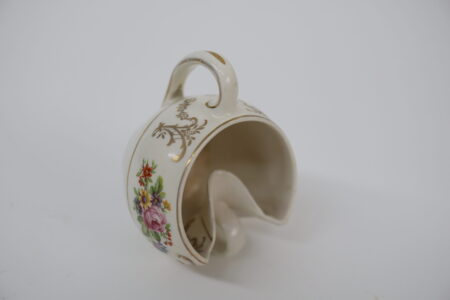
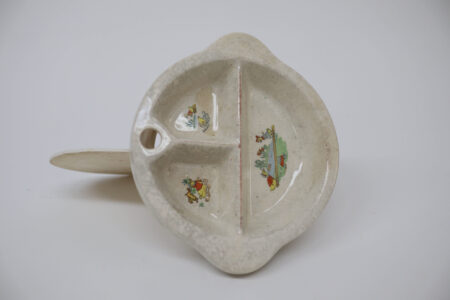
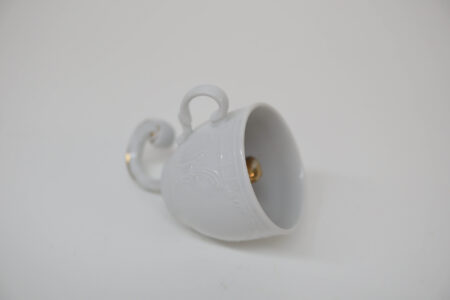
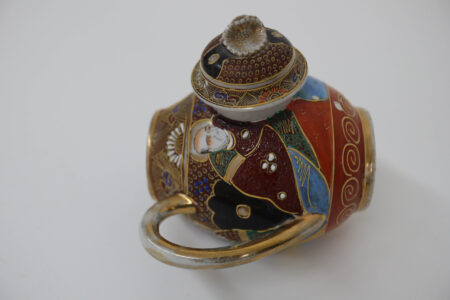
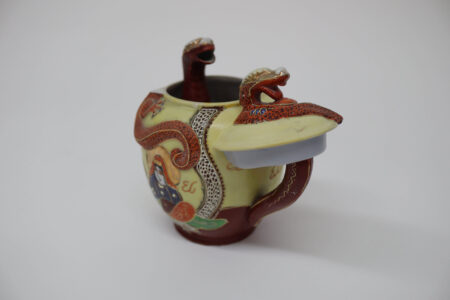
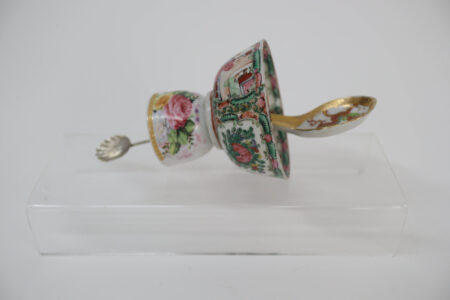
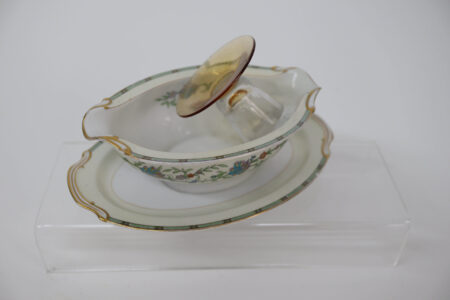
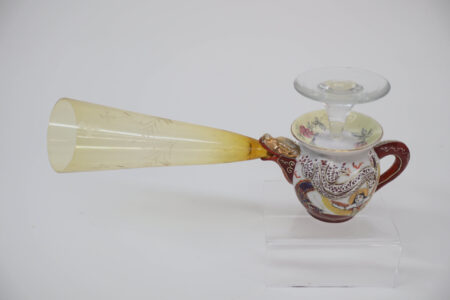
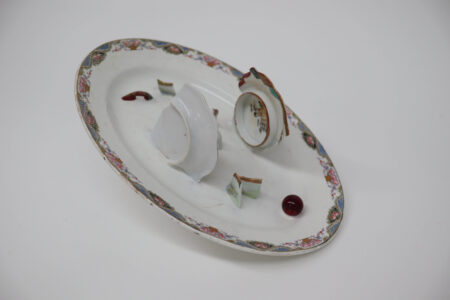
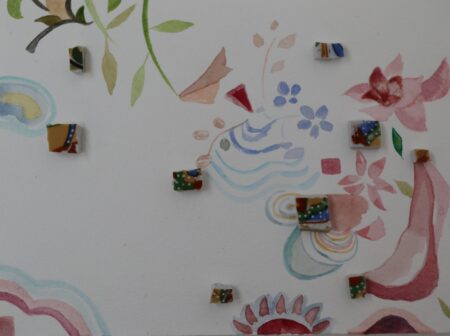
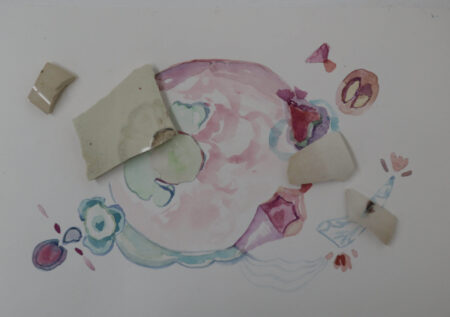
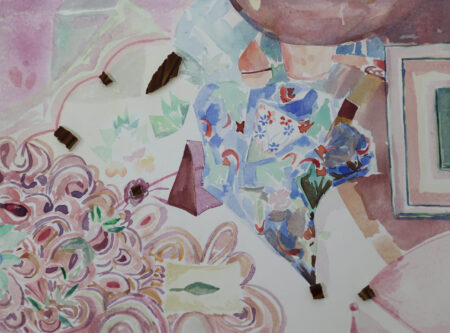
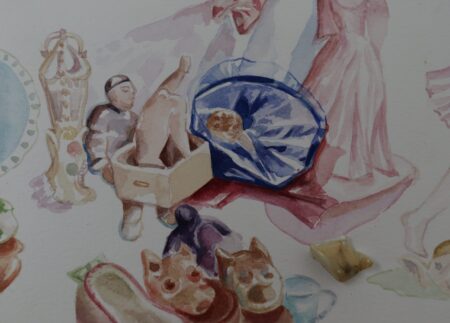
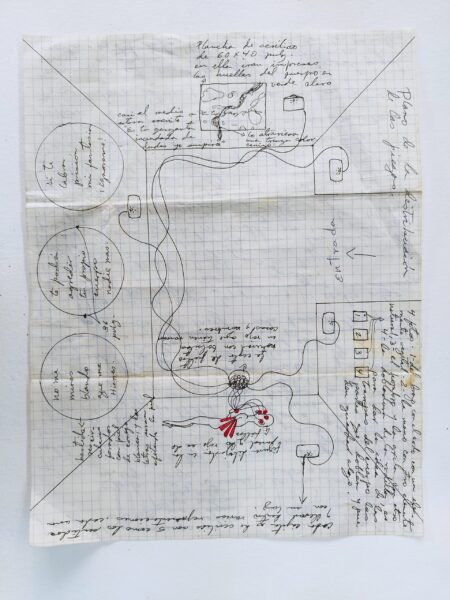
The family archive becomes the space where each structure takes form through objects such as tableware, photographs, and letters—items understood as valuable because they preserve bonds, memories, and emotional histories. By transforming the object both functionally and symbolically, I seek to open a more plural reality and propose a new understanding of this environment. Through this process, the work addresses intrafamily and intergenerational relationships while suggesting the possibility of reversing patterns established by family tradition.
Norma de Lis is grounded in contemporary theories by Nelly Richard and Judith Butler, whose work explores the reinterpretation of memory and gender. From an understanding of memory as a mosaic of experiences and narratives that cannot be reduced to a single version, I revisit micro-narratives, family archives, and familiar contexts. Within this gesture, performativity becomes a critical tool: transforming archives, remnants, or ideas—whether in their state, structure, or function—creates a space of resistance against social norms and repeated behaviors.
The act of reconfiguring what has been inherited allows me to reach a new understanding of gestures and practices repeated within the domestic environment. Once revealed as obsolete, these forms appear as fragments of a symbolic territory in dispute. From this perspective, non-linear memory becomes a field of experimentation where family tradition can be questioned and reconfigured, opening the way to a plural and critical horizon that destabilizes conservative structures within domestic life.